
Arctic Circle Menu
The Arctic Circle is one of the most remote and captivating places on Earth, known for its harsh winters, expansive landscapes, and unique wildlife. Despite its extreme conditions, this region has fostered a distinctive food culture. The Arctic Circle menu reflects the necessity to make the most of the limited resources available in the region, while incorporating centuries-old traditions and modern innovations. From wild game to fresh seafood, the Arctic Circle menu is a unique blend of natural flavors, rich in history and nutrients, designed to withstand the harshest conditions.
In this article, we will explore the elements that make up an Arctic Circle menu, the types of foods commonly found in the Arctic region, and how these dishes are gaining recognition in the culinary world. Whether you’re curious about the foods of this frozen world or want to bring a piece of the Arctic into your own kitchen, this guide will provide all the insights you need.
Table of Contents
What Is the Arctic Circle Menu?
An Arctic Circle menu is a culinary experience inspired by the northernmost parts of the world, particularly the countries surrounding the Arctic Circle, including Norway, Sweden, Finland, Russia, and Canada. These areas are home to indigenous cultures such as the Sámi people, whose food traditions have evolved over thousands of years to adapt to the cold, harsh climate.
The Arctic Circle menu often features a variety of local ingredients, many of which are either native to the region or grown in limited amounts due to the extreme climate. Key ingredients include reindeer, fish, berries, and root vegetables. These ingredients are preserved, smoked, fermented, or dried to last throughout the long winters.
Traditional Arctic Circle Dishes
Reindeer and Game Meat
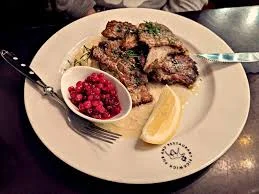
One of the most iconic elements of the Arctic Circle menu is the inclusion of reindeer meat, a staple for the indigenous peoples of the North. Reindeer meat is rich in protein and low in fat, making it an essential part of the diet for survival in the Arctic. It is often served in various forms, including roasted, stewed, or dried.
Reindeer is also the primary source of meat for many traditional Arctic dishes, including:
- Bidos: A Sámi stew made from reindeer meat, root vegetables, and broth.
- Røkt reinsdyr: Smoked reindeer meat, often served as a cold cut in sandwiches or with fresh bread.
- Reindeer fillet: A delicacy often pan-seared or grilled to preserve the tenderness of the meat.
Aside from reindeer, other game meats such as elk, musk ox, and wild birds are also part of the Arctic Circle menu, adding variety to the diet and providing additional nutrients that are vital for survival in such a challenging environment.
Fresh Seafood Delights
Given the proximity to the ocean, fresh seafood is a significant part of the Arctic Circle menu. Arctic waters are home to a rich variety of fish, including cod, salmon, and Arctic char. These fish are not only delicious but also high in Omega-3 fatty acids, which are important for heart health and brain function.
Popular seafood dishes include:
- Grilled Arctic Char: This delicate fish is often grilled over an open flame or smoked for added flavor.
- Kippers: Smoked herring, a common dish served with bread or potatoes.
- Lutefisk: A traditional Scandinavian dish made from dried cod that is rehydrated and prepared with lye before being cooked.
In addition to fish, shellfish such as mussels, crabs, and oysters are often harvested from the icy waters of the Arctic and are used in various dishes, offering a distinct taste of the region.

Berries and Arctic Vegetables
Despite the cold, the Arctic Circle menu includes several types of wild berries and vegetables that thrive in the short growing season. These include lingonberries, cloudberries, blueberries, and crowberries, which are often foraged in the wild during summer months and preserved for use throughout the year.
Berries are not only delicious but also packed with vitamins and antioxidants, making them an essential part of the Arctic diet. They are often incorporated into desserts, jams, sauces, and even savory dishes.
In addition to berries, root vegetables such as potatoes, carrots, and turnips are commonly grown in the Arctic. These vegetables are hearty and capable of withstanding the cold, making them an important component of many meals. They are often roasted, boiled, or mashed to accompany meat dishes.
Modern Twist on Traditional Arctic Dishes
As modern culinary techniques have become more widely available in the Arctic, chefs are reinterpreting traditional Arctic Circle menu items with a contemporary twist. Modern Arctic cuisine combines traditional ingredients with advanced cooking methods like sous-vide, smoking, and fermentation to enhance flavors and textures.
For instance, reindeer meat, which has been prepared the same way for centuries, is now being prepared in fine dining restaurants using techniques such as sous-vide cooking, which results in an incredibly tender texture. Additionally, many chefs are using fermentation to bring out the natural umami flavors of Arctic fish, which were often salted or smoked in the past.
One popular example of modern Arctic cuisine is the Arctic sushi, which combines fresh Arctic fish such as salmon and cod with locally grown vegetables. This dish adds a sushi twist to the traditional ingredients found in the Arctic Circle menu.
Popular Arctic Circle Restaurants Featuring Local Menus
Several restaurants across the Arctic Circle are helping to showcase the unique flavors of the region, giving visitors a taste of local dishes with both traditional and modern touches. Here are some top restaurants that feature the Arctic Circle menu:
- Fiskekompaniet in Tromsø, Norway, offers an incredible selection of seafood, including fresh Arctic char and locally caught halibut. The menu also features smoked reindeer and other Arctic delicacies.
- Ristorante Alla Fenice in Italy has collaborated with Arctic suppliers to offer guests a taste of the Arctic with dishes such as cloudberry sorbet and lingonberry jam paired with local venison.
- Hjerkinn Fjellstue in Norway is known for serving authentic reindeer dishes, including reindeer stew and roasted reindeer fillet, in a cozy and rustic environment.
Nutritional Benefits of the Arctic Circle Menu
The Arctic Circle menu is not only unique in flavor but also packed with nutritional benefits. Due to the harsh climate, the foods in the Arctic are often rich in essential nutrients that help support health and vitality in extreme conditions.

High Protein Content
Many foods in the Arctic Circle menu, especially reindeer meat and fish, are rich in protein. Protein is essential for muscle growth, tissue repair, and overall health, making it a vital nutrient for those living in the Arctic. Reindeer meat, for example, contains high-quality protein that is leaner than beef or pork.
Omega-3 Fatty Acids
Seafood is a primary component of the Arctic Circle menu, and it provides an excellent source of Omega-3 fatty acids. These healthy fats are known for their cardiovascular benefits, promoting heart health and reducing inflammation. Fish such as Arctic char and salmon are packed with Omega-3s, making them an essential part of the Arctic diet.
Antioxidants
Berries such as lingonberries, cloudberries, and blueberries are loaded with antioxidants, which help protect the body from oxidative stress and reduce the risk of chronic diseases. These berries are often included in desserts, jams, and sauces, making them both a delicious and healthy addition to the Arctic Circle menu.
How to Experience the Arctic Circle Menu at Home
If you can’t make it to the Arctic Circle, don’t worry! You can still experience the flavors of this unique region by incorporating some of its key ingredients into your home cooking.
Sourcing Ingredients
While sourcing authentic Arctic ingredients can be difficult outside the region, many online retailers offer specialty items like smoked reindeer, Arctic char, and cloudberries. You can also use local alternatives such as venison, salmon, or other game meats to create dishes similar to those found on the Arctic Circle menu.

Simple Arctic Recipes
Here are a few simple recipes inspired by the Arctic Circle menu that you can try at home:
- Reindeer Stew: A hearty stew made with reindeer meat, root vegetables, and aromatic herbs, perfect for cold weather.
- Grilled Arctic Char: Lightly seasoned Arctic char grilled to perfection and served with a side of mashed root vegetables.
- Lingonberry Jam: A sweet and tangy jam made from lingonberries, perfect for pairing with meats or spreading on bread.
Conclusion
The Arctic Circle menu offers a unique and flavorful glimpse into the foods of the far North. Whether you’re sampling traditional dishes like reindeer stew or experimenting with modern interpretations of Arctic cuisine, the flavors of the Arctic will transport you to one of the most remote and beautiful places on Earth. So, why not bring the tastes of the Arctic into your kitchen and try a dish inspired by the Arctic Circle menu today.